
A Homeowner's Guide to Preventing Ice Dams on Victorian Homes in Southern NH and VT
Southern New Hampshire and Vermont's historic neighborhoods are graced with stunning Victorian homes, each with unique character, intricate rooflines, and timeless charm. As a homeowner in the region, you understand that preserving this beauty requires special care, especially during our harsh winters. One of the most persistent and damaging winter threats to these architectural treasures is the formation of ice dams. These thick ridges of ice along the eaves can cause water to back up under your shingles, leading to leaks, damaged insulation, and costly interior repairs. At Roofit1, we specialize in protecting homes from the unique challenges of our climate, and this guide will walk you through how to safeguard your Victorian home from the dangers of ice dams.
Why Are Victorian Homes Prone to Ice Dams?
An ice dam forms when heat from inside your home escapes into the attic and warms the underside of the roof. This melts the snow on the roof, which then flows down until it reaches the colder eaves, where it refreezes. As this cycle repeats, a ridge of ice—an ice dam—builds up, trapping water behind it. This trapped water has nowhere to go but up and under the roofing materials, leading to leaks.
Victorian homes are particularly susceptible for a few key reasons:
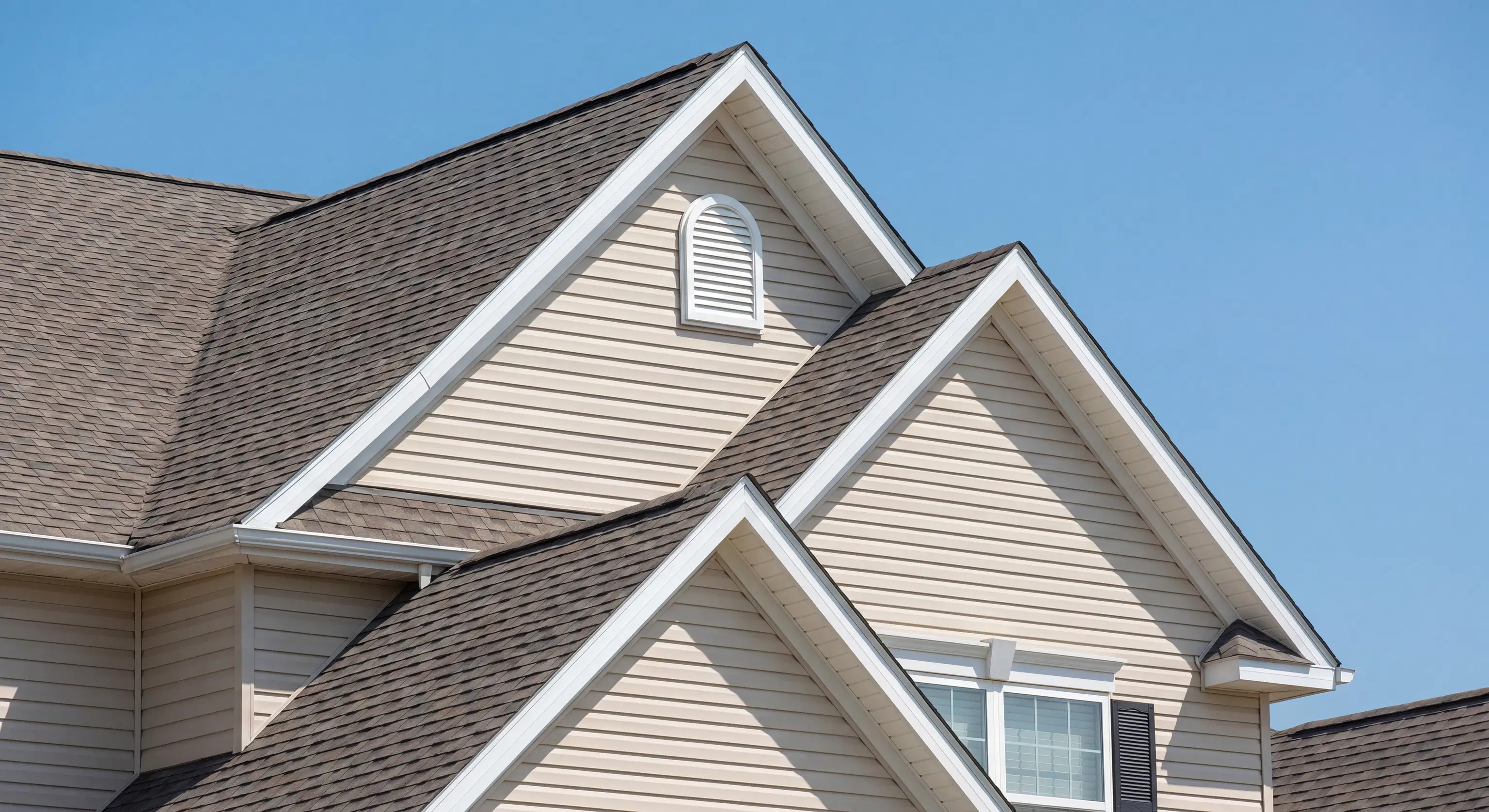
- Complex Rooflines: The turrets, gables, and multiple valleys common in Victorian architecture create numerous areas where snow can accumulate and melt unevenly.
- Older Insulation: Many historic homes have outdated or insufficient attic insulation. Over the decades, insulation can settle or degrade, creating 'hot spots' on the roof that accelerate snowmelt.
- Inadequate Ventilation: Proper attic ventilation is crucial for keeping the roof deck cold. Older homes were often built before modern ventilation standards, making it difficult to maintain a consistent temperature and prevent the melt-and-freeze cycle.
- Air Leaks: Small gaps around light fixtures, plumbing vents, and attic hatches can allow a significant amount of warm, moist air to flow from your living space into the attic, contributing directly to the problem.
Proactive Prevention: The Best Defense for Your Home
While dealing with an existing ice dam requires professional help, the best strategy is always prevention. Protecting your home involves a holistic approach that addresses the root causes of heat loss. Focusing on these three key areas can make a world of difference and is a far better investment than repeatedly paying for emergency repairs.
1. Superior Insulation: The most critical step is to prevent warm air from reaching your roof deck in the first place. Upgrading your attic insulation to modern standards creates a thermal barrier that keeps the heat where it belongs—inside your living space. For older homes, it's essential to have a professional assess the existing insulation's R-value and ensure it's evenly distributed, especially in the hard-to-reach corners common in Victorian designs.
2. Balanced Ventilation: A well-ventilated attic allows cold outside air to circulate, keeping the roof sheathing cool and preventing snow from melting. This typically involves a system of soffit vents (for intake) and ridge or gable vents (for exhaust). A professional can evaluate your home's unique structure to design a ventilation system that creates a continuous, balanced airflow without compromising its historic integrity.
3. Meticulous Air Sealing: Before adding new insulation, it's vital to seal any air leaks between your living area and the attic. This is a detailed process that involves using foam, caulk, and other materials to close gaps around wiring, pipes, chimneys, and attic access points. This step alone can significantly reduce heat transfer and is a cornerstone of effective ice dam prevention.
What to Do When an Ice Dam Has Already Formed
If you already see a thick band of ice on your eaves or, worse, water stains on your interior ceilings, it's crucial to act quickly but safely. Attempting to chip away the ice with a shovel or axe can cause severe damage to your roof, whether it's historic slate or modern shingles. Likewise, using salt or chemical de-icers can harm your roofing materials, gutters, and landscaping.
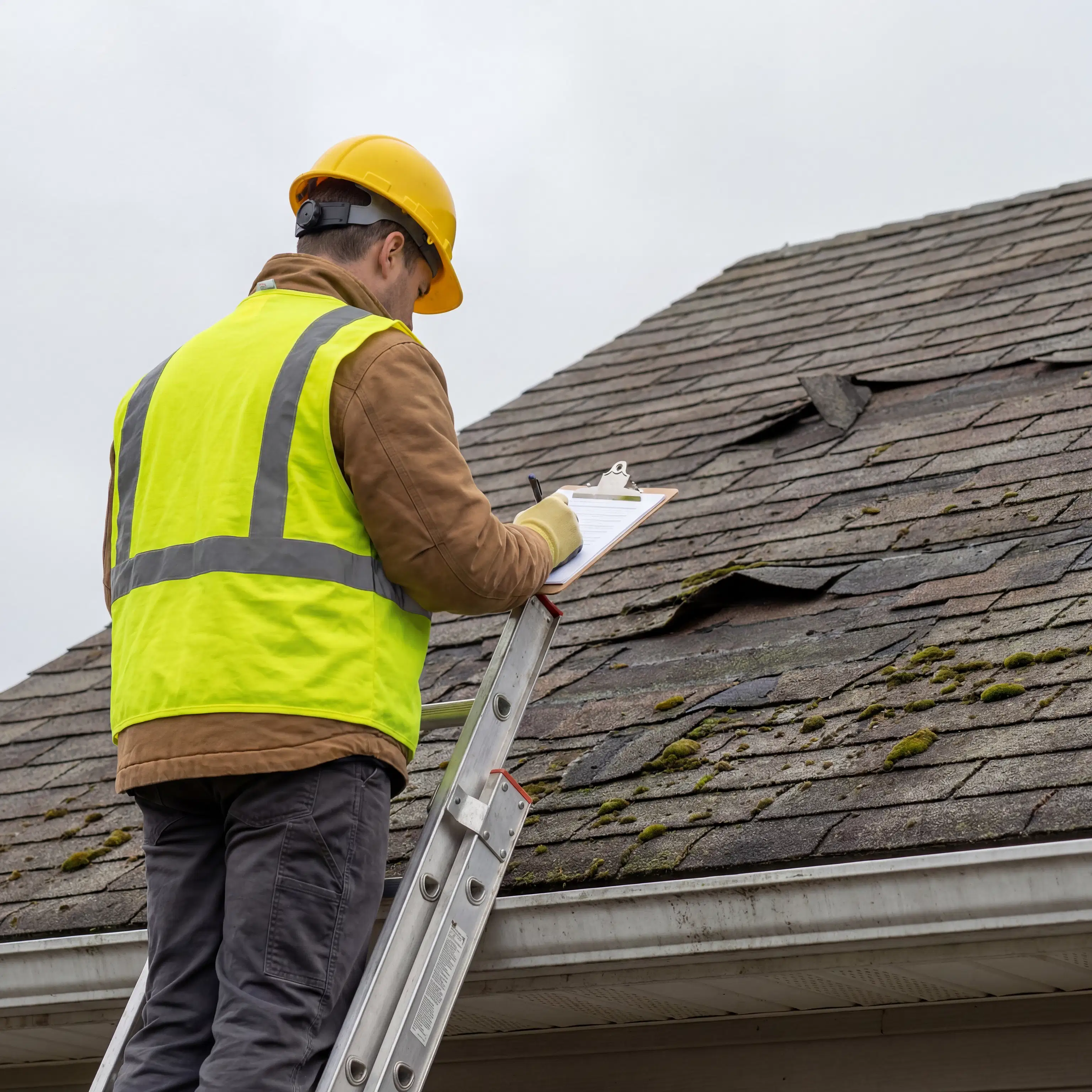
The safest and most effective method for removing an ice dam is to hire a professional who uses specialized steaming equipment. This process melts the ice gently without causing impact damage. Once the immediate threat is removed, the next step is a thorough roof inspection. An expert can assess the extent of the damage, checking for lifted shingles, compromised flashing, and water intrusion into the underlying structure.
Based on the inspection, we can determine the best course of action. Sometimes, a targeted repair is all that's needed. In other cases, where damage is extensive or the roof is nearing the end of its lifespan, a full roof replacement might be the most sensible long-term solution to protect your investment.
Protect Your Historic Home This Winter
Your Victorian home is a piece of southern New Hampshire and Vermont's history, and it deserves the best protection. By understanding the causes of ice dams and taking proactive steps to improve your home's insulation, ventilation, and air sealing, you can prevent costly damage and enjoy a worry-free winter. Don't wait for a leak to appear. Be proactive and ensure your home is prepared for whatever the season brings.
If you're concerned about your roof's vulnerability to ice dams or have noticed signs of a problem, contact the experts at Roofit1 today. We offer comprehensive roof inspections, professional repairs, and full replacement services tailored to the unique needs of historic homes in our area. Let us help you preserve the beauty and integrity of your home for years to come.