
Diagnosing Skylight Condensation Versus Roof Leaks: What Homeowners Need to Know
Waking up on a crisp morning to find water dripping from your ceiling is enough to make any homeowner's heart skip a beat. When that drip is coming directly from a skylight, the immediate fear is usually a compromised roof. Homeowners across southern New Hampshire often face this exact scenario when the seasons change and temperatures fluctuate wildly. However, a dripping skylight does not always mean your roof has failed. In many cases, it is a simple matter of temperature and humidity rather than a structural issue.
At Roofit1 llc, we understand the stress that comes with potential water damage. The roofing industry unfortunately has its share of out-of-state storm chasers and unreliable contractors, making it difficult to know who to trust when you need an honest assessment. That is why we believe in empowering homeowners with knowledge. Understanding the difference between condensation and a true leak is the first step in protecting your home, your peace of mind, and your wallet.
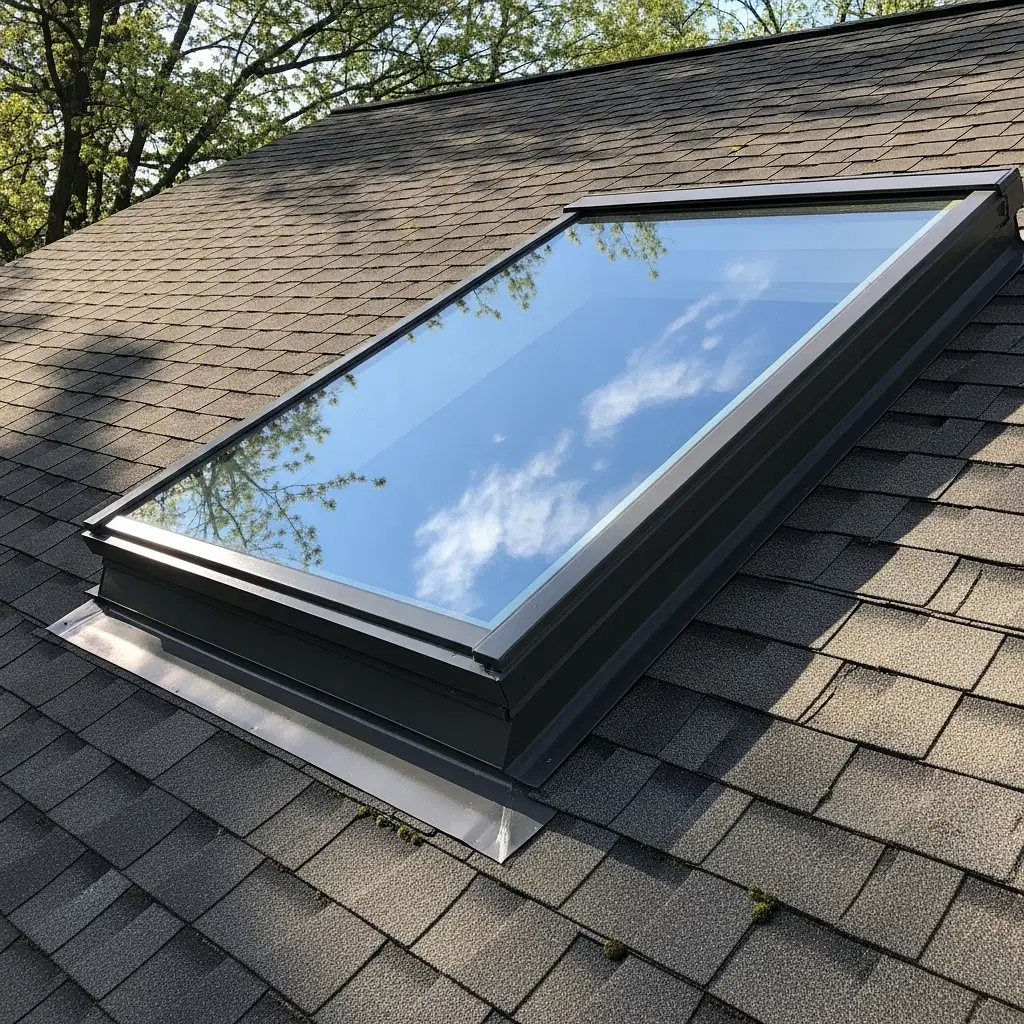
The Science of Moisture: Is It Just Condensation?
Before assuming the worst, it is important to evaluate skylight condensation vs water leak symptoms carefully. Condensation is a naturally occurring physical process. It happens when warm, moisture-laden air inside your home rises and comes into contact with the cold surface of the skylight glass. This is incredibly common during the colder months when heating systems are running and the outside air is freezing.
If you have a busy household, daily activities like cooking, taking hot showers, or even running a humidifier add significant moisture to the indoor air. When this air hits the cold glass, it turns into water droplets. You will typically notice this as a foggy haze on the glass, which eventually forms droplets that run down the pane and pool in the interior sill.
So, how do you know if it is just condensation? The key is timing and location. Condensation typically appears on cold mornings and often clears up as the sun warms the glass or as the indoor humidity drops. Furthermore, the moisture is usually confined strictly to the glass and the immediate interior frame. If the surrounding drywall or ceiling paint remains completely dry and free of discoloration, you are likely dealing with condensation rather than a breach in your roofing system. Improving your home's ventilation, running exhaust fans, and ensuring the skylight is properly insulated can often resolve this issue without any major interventions.
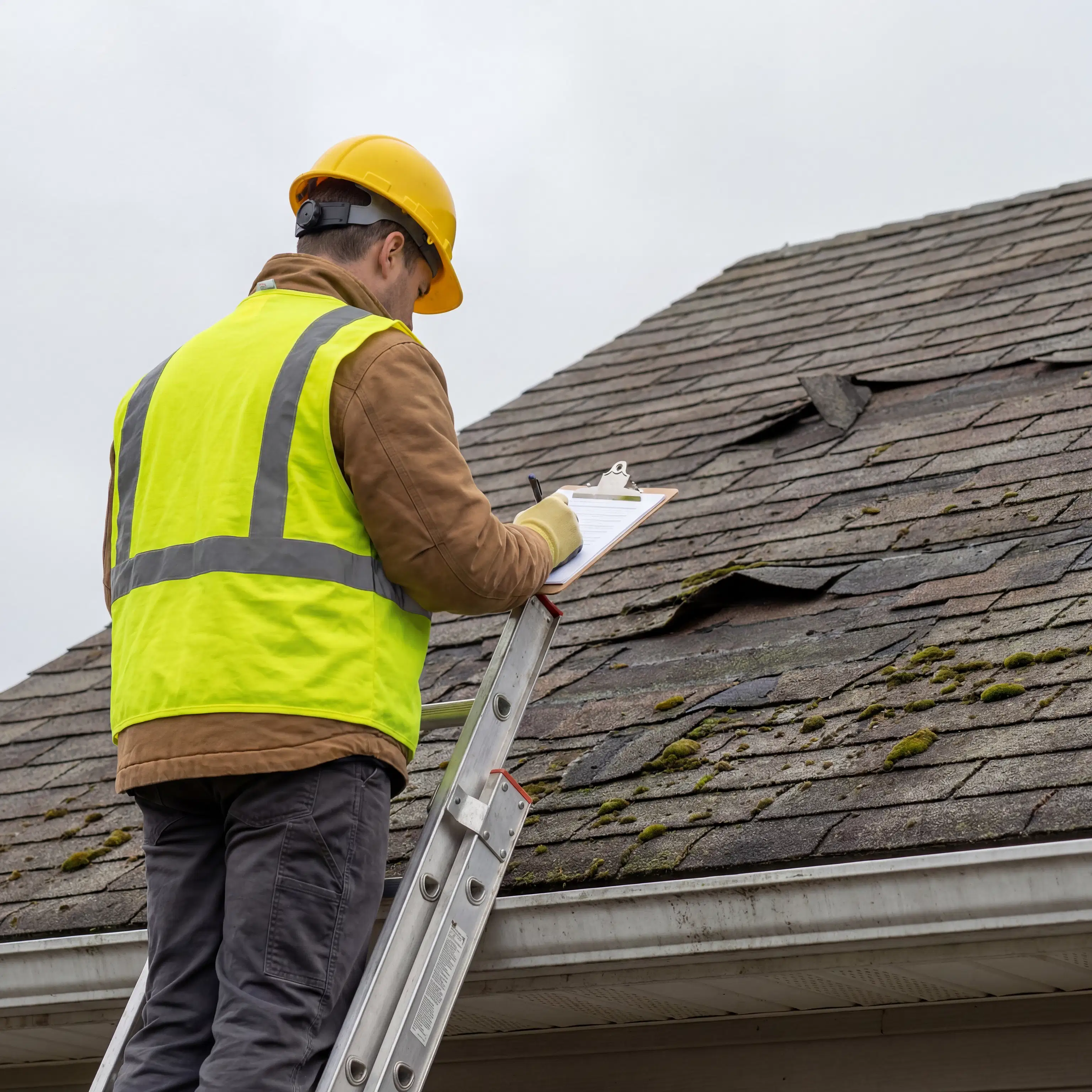
Spotting the Signs of a True Roof Leak
While condensation is a harmless nuisance, an actual leak requires immediate professional attention to prevent rot, mold, and costly structural damage. A genuine leak usually originates from a failure in the roof itself or from the flashing that integrates the skylight with the surrounding roofing materials.
One of the most common issues we see is related to the aging of the window unit itself. Recognizing the signs of skylight seal failure is crucial. If the rubber gaskets or seals around the glass have deteriorated due to years of UV exposure and harsh weather, water will find its way inside. Unlike condensation, a true leak will typically happen during or immediately after a rainstorm, or when snow is actively melting on the roof.
You will also want to inspect the area around the skylight. If you see brown or yellow water stains spreading across the ceiling drywall, bubbling paint, or dampness on the interior trim, water is getting past the exterior defenses. This is a clear indicator that you need professional roofing services to assess the damage.
When you call us for an inspection, we follow a strict, transparent process to eliminate the guesswork and build trust. First, we conduct a comprehensive inspection to determine the exact cause of the problem—often utilizing modern drone technology to safely examine the exterior without disturbing your roof. Second, if there is an active leak, we provide a temporary repair to protect your home from immediate water damage. Third, we provide a detailed quote and scope of work using our instant estimator tool, so you know exactly what the costs are without any hidden surprises. Finally, we schedule the permanent repair at a time that works for you. Whether you live near the city or further upstate, our focus is on reliable communication and meticulous planning.
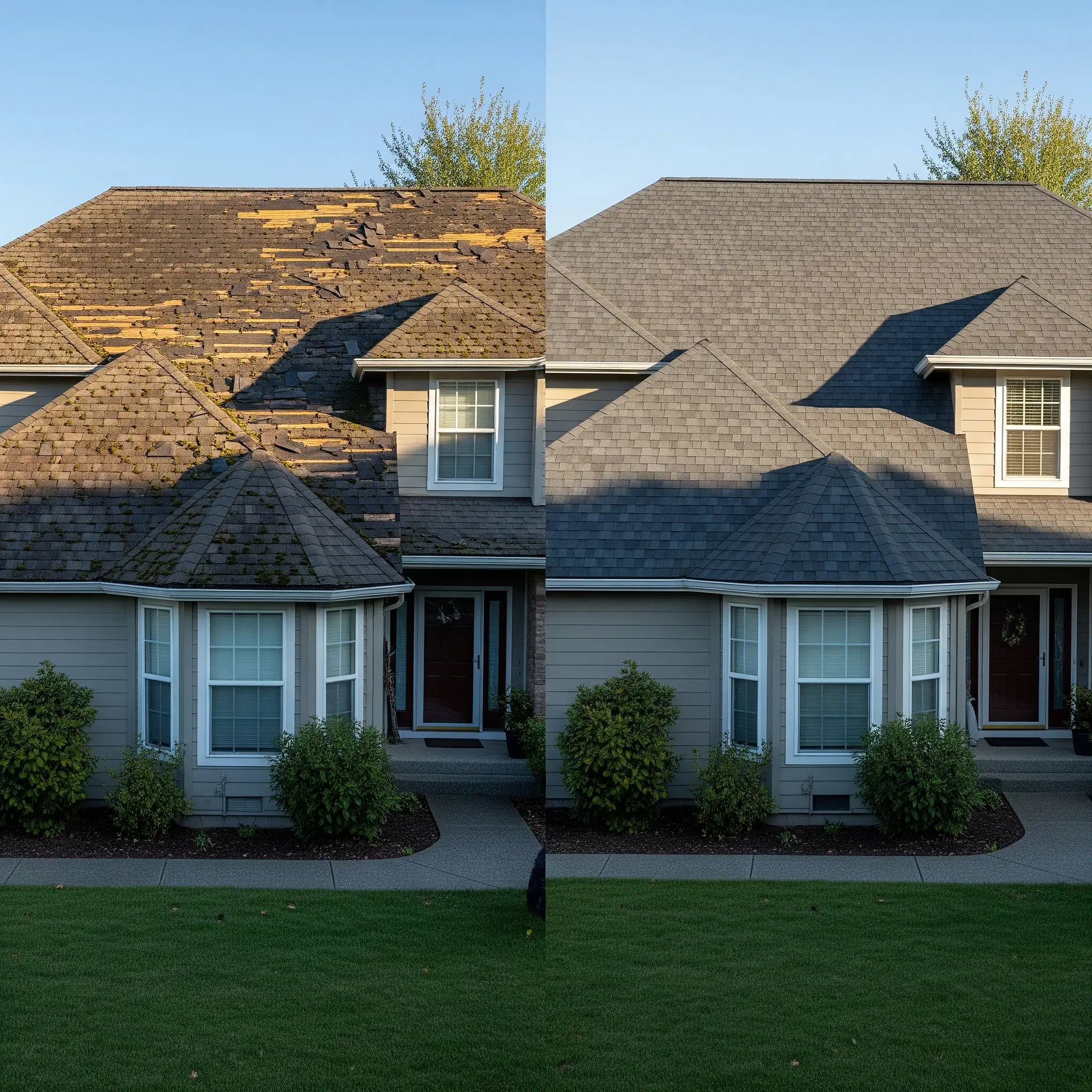
The Benefits of Upgrading Your Skylights
Sometimes, a temporary repair is not enough, especially if the unit is well past its expected lifespan. If your home has older, single-pane acrylic dome skylights, they are likely contributing to significant energy loss and are highly prone to cracking and leaking. In these cases, replacing old skylights for winter insulation is one of the smartest investments you can make for your home's energy efficiency.
At Roofit1 llc, we highly recommend a professional Velux skylight replacement. Modern Velux models feature advanced Low-E3 glass, argon gas insulation, and superior flashing systems that dramatically reduce the risk of both condensation and leaks. They are designed to withstand harsh weather, improve your home's thermal envelope, and keep your heating bills in check during the freezing months.
Furthermore, if your roof is nearing the end of its life, the most cost-effective time to upgrade your skylights is during a comprehensive residential roof repair and replacement. Coordinating both projects at the same time ensures that the new skylight flashing is perfectly interwoven with your new architectural shingles or metal roofing system. This unified approach eliminates the weak points where leaks commonly occur, providing you with a robust, watertight seal that is backed by strong manufacturer warranties.
We also understand that funding a major home improvement project can strain working capital for any family. To help make this crucial upgrade more accessible, we offer flexible financing options. This allows you to secure your home against the elements now without compromising your daily financial stability.
Protecting Your Home for the Long Term
Understanding the subtle differences between harmless window fog and a destructive water intrusion can save you significant time and money. While improving ventilation can solve minor condensation issues, ignoring a failing seal or a damaged roof deck will inevitably lead to complex, expensive repairs down the road.
If you are noticing persistent moisture issues, drafty windows, or suspect that your roof has sustained damage from a recent storm, do not wait for a small drip to turn into a major interior leak. The weather in Southern Vermont and the surrounding regions demands a resilient, professionally installed roofing system.
Let the experienced team at Roofit1 llc provide you with the clarity and professional service you deserve. Reach out to us today to schedule a comprehensive roof inspection or visit our contact us page to speak with our experts. We are here to ensure your roof is structurally sound, your skylights are crystal clear, and your home remains a safe, dry sanctuary all year round.